




Faces of Tradition: Sekura, Lampung’s Most Colorful Secret
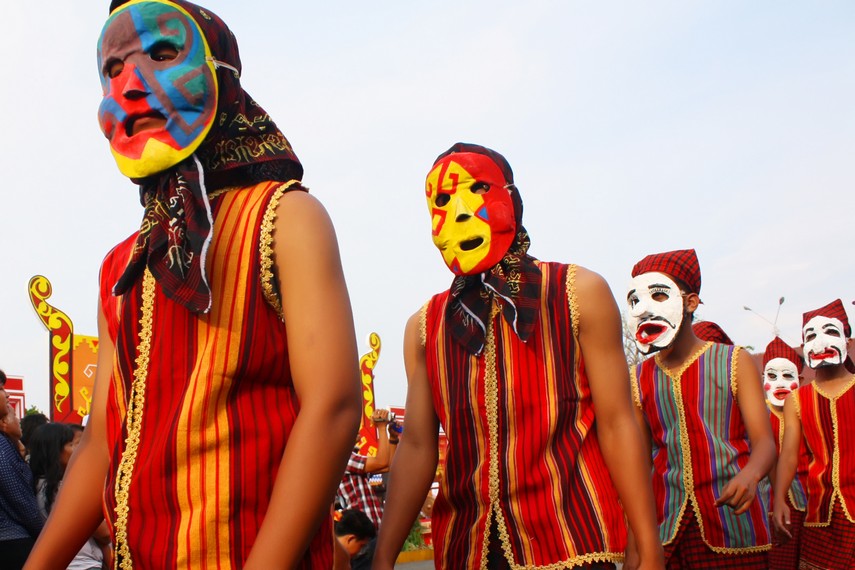
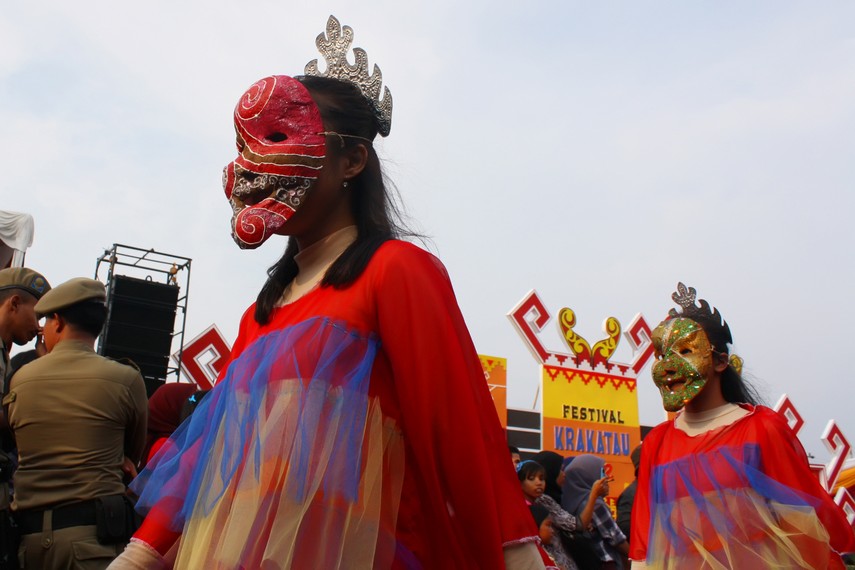
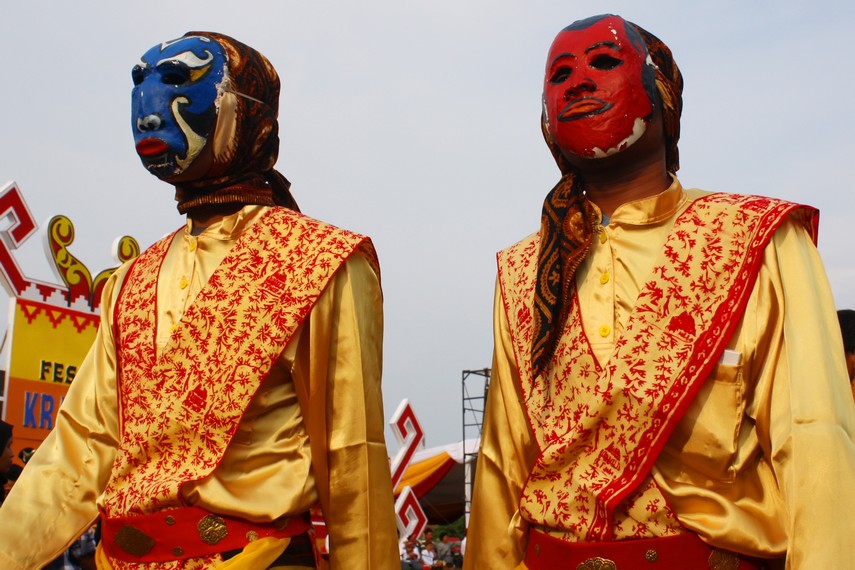
In the hills and coastal villages of West Lampung, there is a celebration that blurs the line between tradition and playfulness: Sekura. Held after Eid, the streets come alive with masked figures draped in colorful fabrics, their steps light, their laughter echoing between wooden houses. At first glance, it feels like a cheerful parade, locals dancing, children chasing each other, music spilling into the afternoon air.
But behind every mask lies something deeper. Sekura is a moment of renewal, a way for the community to cleanse old tensions, mend relationships, and welcome a fresh chapter together. By hiding their faces, people shed status and pride; for a day, everyone becomes equal, free to connect without boundaries.
Read our article's:
- Fun Transit in Lampung: Must-Visit Stops When Traveling via Bakauheni During Mudik Season
- Palembang Language: A Malay Dialect Rich in Philosophy
- The Meaning of Pekanbaru: Tracing Its History and Significance
For travelers, Sekura offers a rare glimpse into the spirit of Lampung, joyful yet meaningful, communal yet personal. It’s not just about costumes and celebration, but about the warmth that resurfaces when the masks come off, revealing a community ready to begin again.
Even if you never witness Sekura firsthand, its spirit lingers in everyday life. You can feel it in the way locals welcome strangers with effortless warmth, in shared laughter at a small roadside stall, and in the quiet kindness exchanged between neighbors. It lives in the resilience of coastal communities and in the pride woven into every piece of tapis.
Sekura reminds travelers that culture isn’t always found in grand ceremonies, it often appears in fleeting moments of connection, where joy becomes a bridge and community becomes home, even just for a while
BACA LAINNYA
TEMUKAN LEBIH BANYAK CERITA & PANDUAN MENARIK
Nostalgia 90-an di Cirebon: Tempat & Kuliner yang Mengajak Kembali ke Masa Lalu
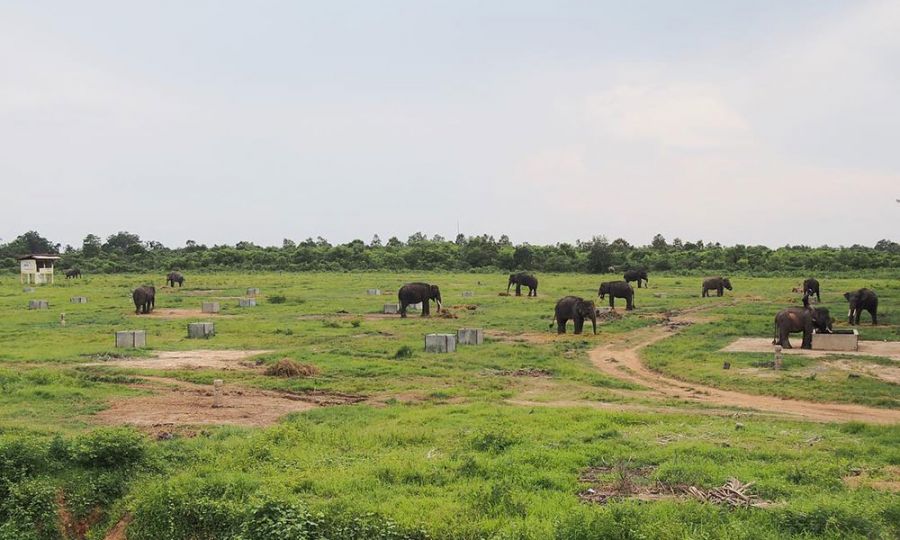
Taman Nasional Way Kambas Terkenal dengan Tempat Konservasi Gajah
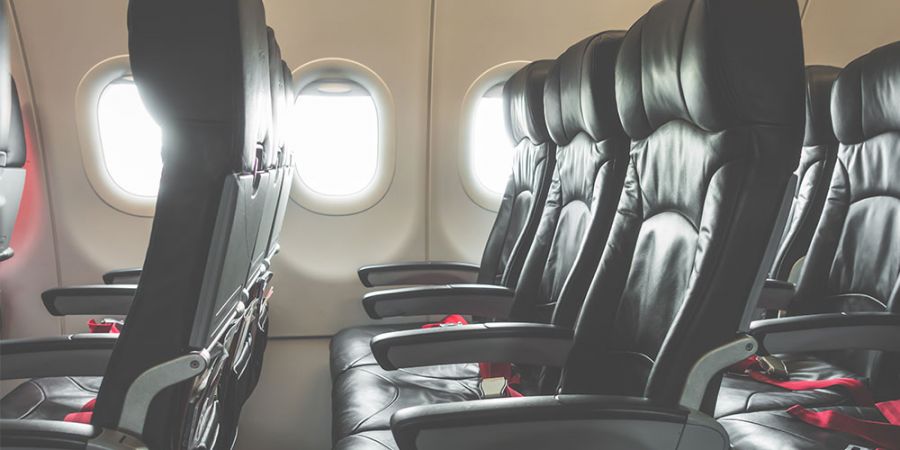
Kursi Pintu Darurat di Pesawat: Keistimewaan dan Tanggung Jawab yang Menyertainya
- HOTEL BATIQA
- HOME
- TENTANG BHM
- BOOK A ROOM
- OFFERS
- MEETING
- PRESS
- KARIR
- HUBUNGI KAMI