




Padusan, A Sacred Cleansing Before the Holy Month of Ramadan
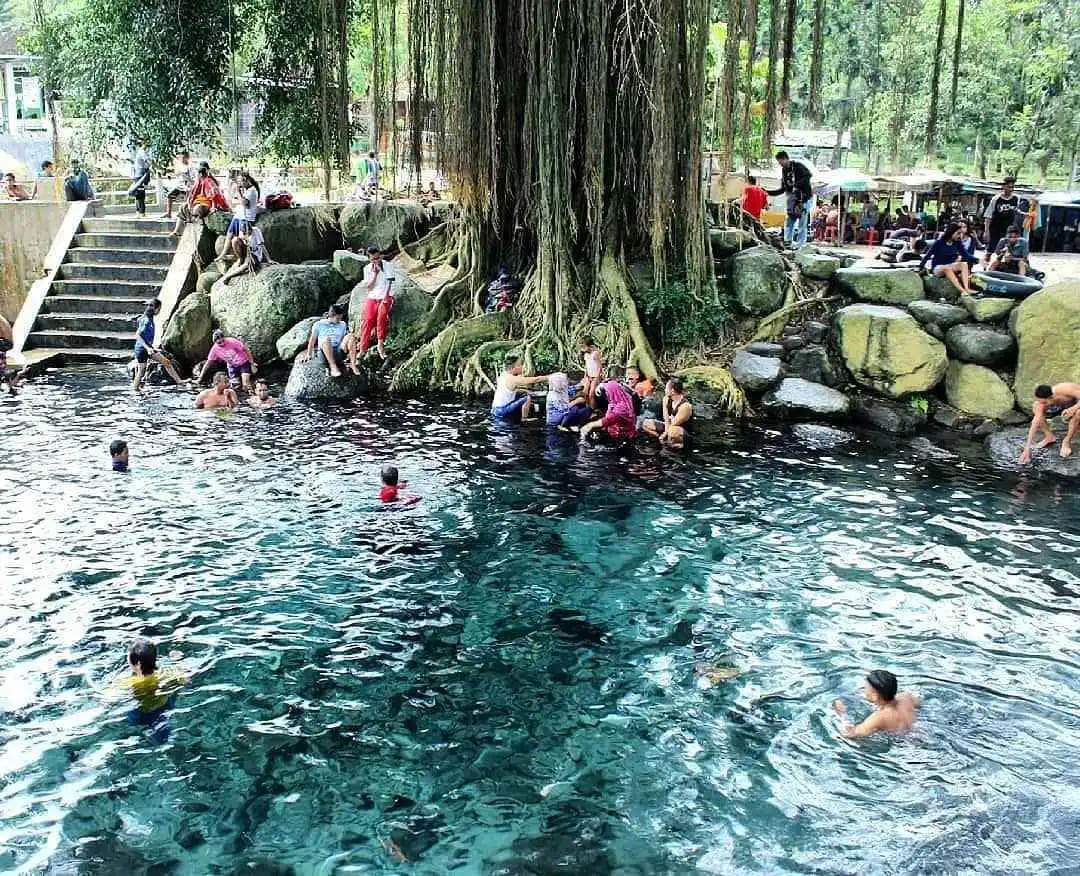
As Ramadan approaches, many communities across Indonesia prepare not only their homes, but also their hearts. One of the most enduring traditions marking this transition is Padusan, a ritual deeply rooted in Javanese culture.
The word padusan comes from the Javanese word adus, meaning to bathe. Traditionally performed a day or two before the first day of fasting, Padusan involves bathing in natural springs, rivers, or communal water sources believed to carry a sense of purity and serenity.
More than a physical cleanse, Padusan represents an inner renewal. Families, friends, and neighbors gather, often traveling together to sacred water sites. Laughter, quiet conversations, and moments of reflection blend naturally, creating a sense of togetherness that defines the spirit of the ritual.
Padusan also reflects the uniquely Indonesian way of welcoming Ramadan, where spirituality and community intertwine. It is a moment to pause, let go of past burdens, and realign intentions before entering a month dedicated to patience, gratitude, and compassion.
Today, while some practice Padusan in more modern ways, its essence remains unchanged. It continues to serve as a gentle reminder that Ramadan is not only about abstaining, but about returning, returning to simplicity, sincerity, and mindful living.
Through traditions like Padusan, Ramadan in Indonesia becomes more than a religious observance. It becomes a shared journey, one that begins with cleansing, and continues with connection, reflection, and grace.
BACA LAINNYA
TEMUKAN LEBIH BANYAK CERITA & PANDUAN MENARIK
Menjelajahi Keajaiban Alam Kawah Ijen dan Fenomena Blue Fire yang Menakjubkan
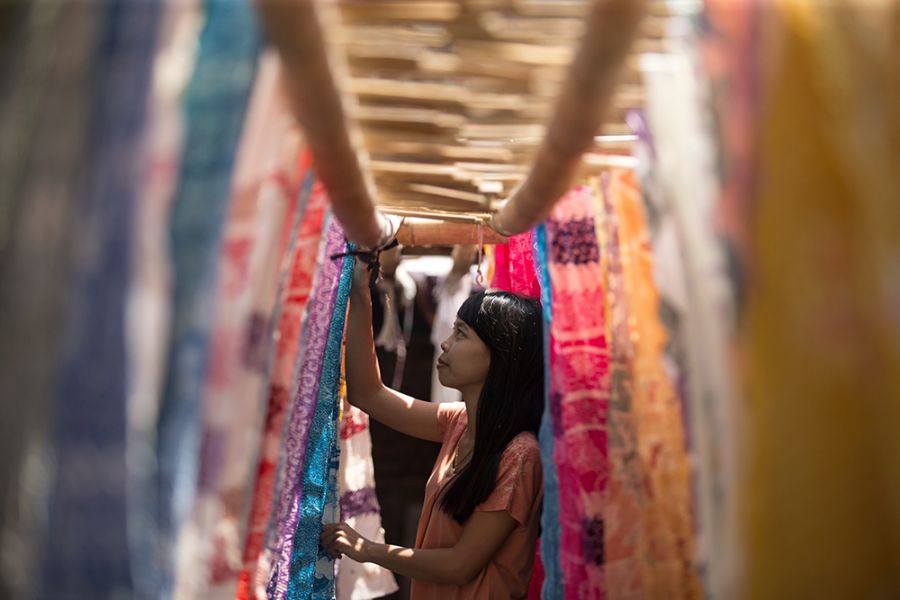
Batik Megamendung, Batik Kebanggaan Khas Cirebon
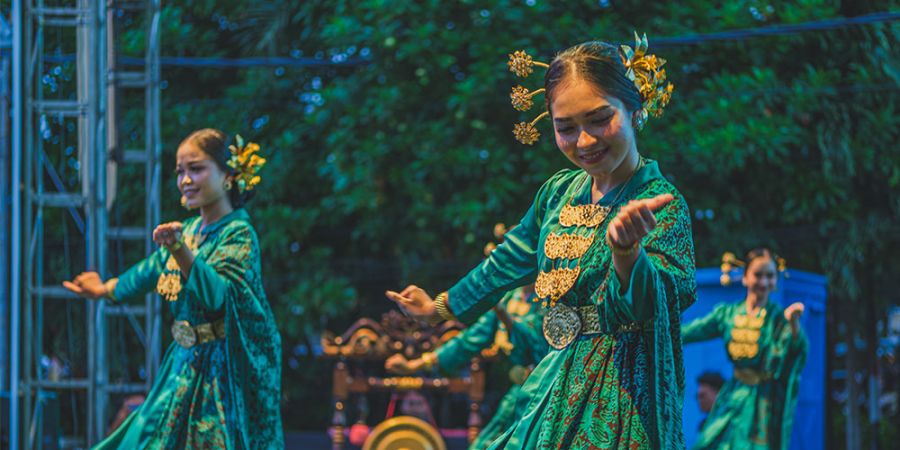
Perempuan Palembang: Penjaga Tradisi di Tengah Arus Zaman
- HOTEL BATIQA
- HOME
- TENTANG BHM
- BOOK A ROOM
- OFFERS
- MEETING
- PRESS
- KARIR
- HUBUNGI KAMI